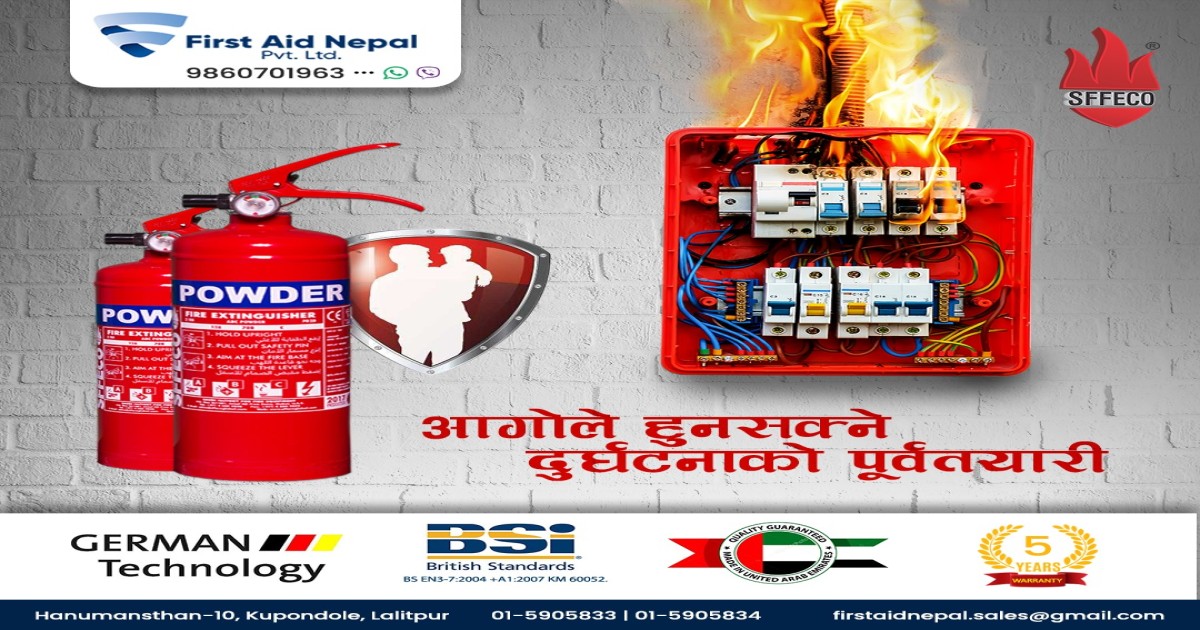
All about Fire Extinguishers in Nepal
May 27th 2026


Nepal is constantly at risk of natural disasters such as earthquakes, floods, landslides, and heavy rainfall. These events can happen without much warning and may disrupt daily life by affecting roads, electricity, clean water, and access to medical supplies. In such situations, you may need to leave your home quickly or spend some time away from your usual living space. Preparing for these emergencies in advance can help you respond more calmly and manage your basic needs when regular services are unavailable.It should contain drinking water, ready-to-eat food, first aid supplies, essential medicines, a flashlight, a power bank, hygiene products, important documents, and some emergency cash. You can also include extra clothing, rain protection, and waterproof bags based on your needs. For earthquakes, a whistle and sturdy footwear can be useful, while waterproof storage is important when preparing for floods. The items you pack may depend on your location, family size, and specific needs. Keeping your go bag in an accessible place and checking its contents regularly can help you stay prepared for unexpected emergencies in Nepal.

An emergency go bag is a bag filled with essential supplies that you can carry during a disaster or other unexpected situation. It helps you meet your basic needs if you have to leave your home quickly or stay somewhere without regular services. In Nepal, earthquakes and floods can damage buildings, roads, and electricity lines, making it difficult to access food, clean water, and medical supplies. Having important items packed in advance can save time and help you manage the situation more easily. It also reduces the need to collect supplies at the last minute when you may need to evacuate quickly. An emergency go bag is also called a disaster preparedness bag or emergency kit. You can prepare one at home by collecting essential items or purchase a ready-made kit and add supplies based on your needs. The bag should include drinking water, ready-to-eat food, first aid supplies, essential medicines, a flashlight, important documents, and other basic necessities. Choose a durable bag that is easy to carry and keep it in a place where everyone in your household can reach it quickly. Check the contents regularly and replace expired or damaged supplies.
Preparing an emergency go bag helps you keep essential supplies ready for earthquakes, floods, and other natural disasters in Nepal. The items you need may depend on your location, family size, and personal needs. For example, households in flood-prone areas may need extra waterproof storage and rain protection, while earthquake preparedness requires items such as a whistle, flashlight, and sturdy footwear. When preparing your go bag, focus on items that are easy to carry and useful during an emergency. You do not need to pack everything into one bag, but make sure you have the basic supplies to support your family until you can access help or regular services. Here is a checklist of essential items to include in your emergency go bag.
| Category | Items to Include |
|---|---|
| Water | Bottled drinking water and a suitabe water container. |
| Food | Ready-to-eat, non-perishable food. |
| First Aid | First aid kit, bandage, gauze, and essential medicines. |
| Light | Flashlight or headlamp with spare batteries. |
| Communication | Mobile phone, power bank charger, and battery-powered radio. |
| Safety | Whistle, protective mask, and work gloves. |
| Hygiene | Soap, hand sanitizer, tissues, and sanitary products. |
| Clothing | Extra clothes, socks, tissues, and sanitary products. |
| Documents | Copies of indentification papers, insurance documents, and emergency contacts. |
| Money | Emergency cash in small denominations. |
| Shelter | Emergency blanket or lightweight trap. |
| Tools | Basic multipurpose tools, if suitable for your needs. |

Earthquakes can happen without warning, so it is important to prepare your emergency go bag before one occurs. In Nepal, where many areas are at risk of earthquakes, keeping essential supplies ready can help you manage if your home becomes unsafe or basic services are interrupted. Your bag should contain items that support your immediate needs and help you stay safe while waiting for assistance or moving to a safer location. Along with preparing your bag, make an emergency plan with your family and identify safe places in your home. During an earthquake, drop, cover, and hold on. Do not try to collect your go bag while the ground is shaking. Take it with you only when it is safe to leave, and follow official instructions if evacuation is necessary. Here are some important items to include in your earthquake emergency go bag:

Floods are a common concern in Nepal, especially during the monsoon season when heavy rainfall can cause rivers to overflow and water levels to rise quickly. Flooding can damage homes, block roads, and interrupt access to clean drinking water, food, and medical supplies. If you live near a river or in a low-lying area, preparing a flood emergency go bag in advance can help you leave your home quickly when needed. Store your go bag somewhere accessible and above the likely flood level. Plan an evacuation route before the monsoon season and identify safe places on higher ground. If authorities advise evacuation, leave promptly and follow their instructions. Never walk or drive through floodwater because it may be deeper or faster-moving than it appears. Avoid touching electrical equipment or power lines that may be exposed to water. Your flood emergency go bag should contain basic supplies along with items that help protect your belongings from water. Here are some important things to include:

Food and water are two of the most important items in an emergency go bag. During an earthquake or flood in Nepal, shops may close, roads may become blocked, and access to clean drinking water may be limited. Keeping enough food and water ready can help you manage your basic needs until regular services become available. Choose food items that are easy to carry, safe to store, and suitable for your family's needs.

Keeping your emergency go bag in the right place is just as important as packing the necessary supplies. During an earthquake or flood, you may need to leave your home quickly, so you should not have to search through cupboards or move heavy objects to find it. Choose a location that is easy for everyone in your household to reach and where the bag will remain protected from damage. If you live in an apartment or a multi-storey building, identify safe evacuation routes and keep your bag somewhere accessible along your planned exit route. You can also prepare a smaller emergency kit for your workplace or vehicle if needed. Most importantly, never risk your safety to collect the bag during an earthquake or when floodwater is rising. Follow official warnings and evacuate when advised. Here are some tips to help you store your emergency go bag safely.
Choosing a reliable emergency kit and first aid supplies can help you prepare for earthquakes, floods, and other natural disasters in Nepal. You can prepare your own go bag or purchase a ready-made kit. Before buying, check the quality, contents, and expiry dates to ensure the supplies meet your household's needs. Remember that a first aid kit focuses on basic medical care, while an emergency go bag contains supplies for evacuation and temporary disruptions to essential services. Keeping both ready can help you prepare more effectively for emergencies in Nepal.
Choosing a right supplier of security systems in Nepal can help you find suitable products for your home, office, or business. First Aid Nepal provides fire safety and security solutions in Nepal, along with product guidance and after-sales support. Here are some reasons to consider First Aid Nepal for your safety equipment needs.
Being prepared for an emergency starts with understanding the risks around you and taking simple steps before a disaster occurs. In Nepal, where earthquakes and monsoon-related floods can affect daily life, having a clear plan can help you make better decisions during difficult situations. Along with preparing essential supplies, learn about local emergency services, identify safe places near your home, and discuss emergency procedures with your family. These small steps can help you feel more prepared when unexpected events occur.It is also important to review your emergency plan regularly and make changes when your household needs or living conditions change. If you are looking for more information about safety products, fire prevention, and security solutions, First Aid Nepal can help you explore relevant options. You can also check out our other blogs for more useful information and practical tips on improving safety at home, in the workplace, and in other settings. Staying informed and making safety a regular part of your routine can help you prepare for future challenges.
An emergency go bag in Nepal should contain drinking water, non-perishable food, a first aid kit, essential medicines, a flashlight, spare batteries, a power bank, a whistle, hygiene supplies, extra clothing, important documents, and emergency cash. You can also include rain protection and waterproof bags, particularly if you live in an area at risk of flooding.
For an earthquake, pack first aid supplies, essential medicines, a flashlight, spare batteries, a whistle, drinking water, ready-to-eat food, protective gloves, sturdy footwear, and copies of important documents. A power bank and battery-powered radio can also be useful if electricity or mobile services are interrupted. Keep the bag accessible, but never try to collect it while the ground is shaking.
For a flood, pack drinking water, ready-to-eat food, essential medicines, a phone and power bank, a flashlight, rain protection, hygiene supplies, emergency cash, and important documents in waterproof packaging. Keep the bag above likely flood levels and prepare an evacuation route before the monsoon season. Follow official warnings and avoid crossing flooded roads or walking through moving water.
Yes, keeping some emergency cash in your go bag is a good idea. ATMs, card machines, and digital payment services may become unavailable during a disaster because of power cuts or network problems. Keep a reasonable amount in small denominations so you can pay for transport, food, or other immediate needs. Store the money in a waterproof pouch and review it occasionally.
Check your emergency go bag every six months and after using any supplies. Review food and water storage dates, replace expired or damaged items, check batteries, recharge the power bank, and confirm that essential medicines are available. Update clothing and personal supplies when your household's needs change. It is also useful to review the bag before the monsoon season in Nepal
May 27th 2026

July 24th 2026

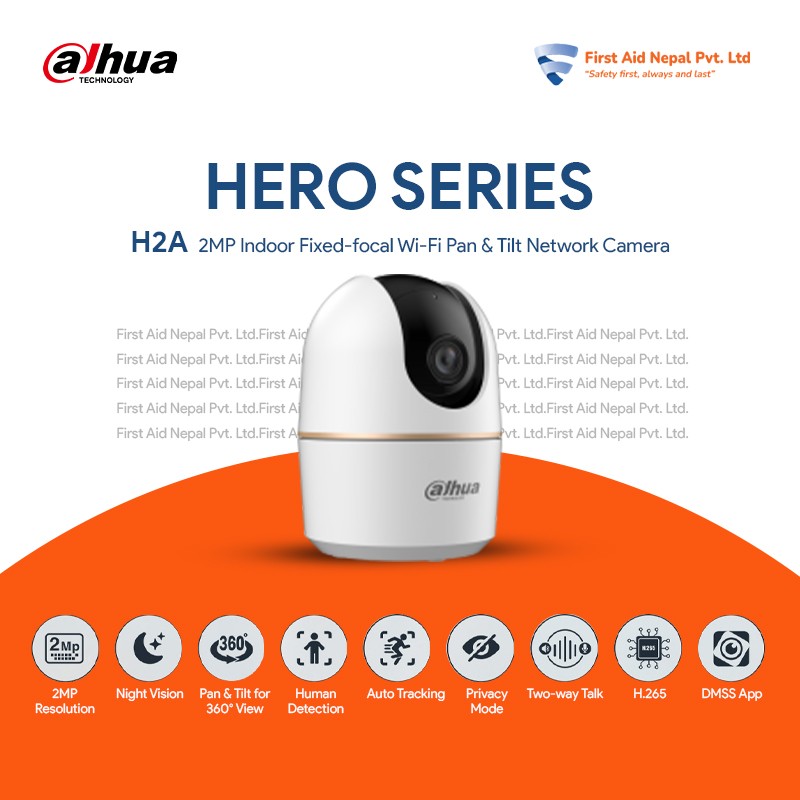
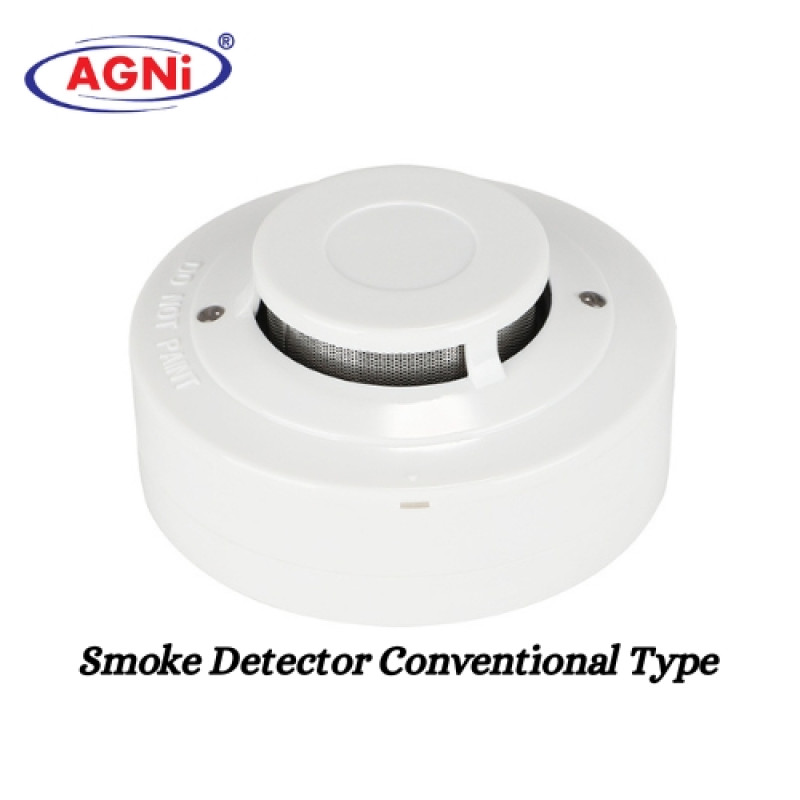



Quick and delivery of innovative fire safety and electronic security solutions for better convenience and additional assurance

Professional setup and installation assistance by certified security experts to ensure complete safety.

Direct assistance from security experts ready to assist with product selection, installation, and queries.