All about Fire Extinguishers in Nepal
May 27th 2026

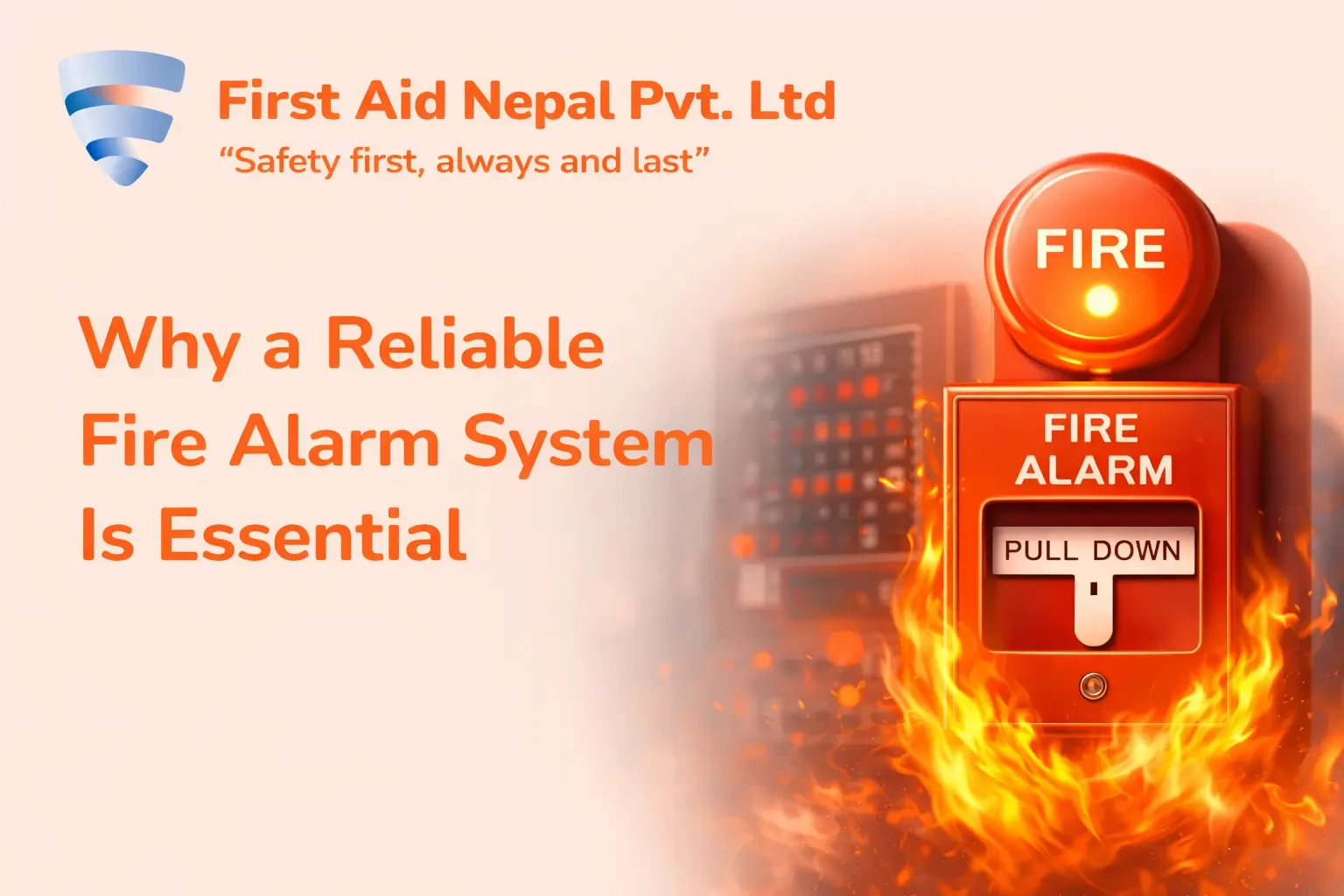
One of the first step to make sure that your building is safe from fire is to have a good fire alarm system. The good system detects smoke, heat or fire early enough and alerts the occupants in time to save everybody. Beyond protecting lives it also reduces the damage of property and even assures that your building is in line with the local safety standards. The number of systems that are available can be alarming since there are too many options you can choose from, but it is all easier when you understand your needs in a building.
Always consider factors like building size, layout, and the type of detectors required, whenever you are choosing a fire alarm system. It must match with other safety systems, should be installed by the professional team of technicians, and check regularly to ensure long-term reliability. Modern fire alarm systems range from conventional and addressable to wireless and smart alarms, each system is designed for different environments. Prioritizing early detection, coverage, and system reliability ensures that your building and its occupants are safe all the time.
A fire alarm system is a safety system that is used to identify any indication of fire and alert occupants of a building within the shortest time possible. It operates on a system of devices, i.e., smoke sensors, heat sensors, alarm clocks, and a control dashboard. The system notices smoke or some aberrant heat and triggers the alarm to bestow all the occupants of the building to remain safe by evacuating the building.
The majority of modern fire alarm systems are designed in a manner that will enable them to respond quickly and accurately depending on possible fire hazard. Depending on the type of detectors that are installed, they are able to detect smoke, heat or even gas. Other systems may also be linked to sprinklers, lighting floods, or security services in order to enhance emergency response. A fire alarm system is significant in saving lives, property and buildings against the devastating effects of fire because it includes early warning in ensuring that the buildings are not extensively damaged by the fire.
An efficient fire alarm system is also very important in safeguarding human beings and buildings against fire emergencies. It helps in the early detection of fire hazards and giving a timely warning to the occupants in order to undertake direct measures. It is important to select a system that is reliable because of the following reasons:
One of the greatest advantages of a fire alarm system is its ability to detect a fire well in advance. It can easily detect an early indication of fire by smoke or heat interventions and this gives the occupants ample time to safely evacuate the building and avoid the possibility of serious damages.
A good fire alarm system helps protect both the lives of people and also their valuable property. Quick alerts from fire alarm systems help to minimize the cause of large-scale fire damages in offices, schools, hospitals, and even commercial buildings.
Many buildings needs to meet the certain standards for fire safety and fire building codes. Installing a certified fire alarm system with the help of professionals helps in fulfilling these needs and makes sure that the building follows the proper safety standards.
Modern fire alarm systems have the capacity to be linked with the monitoring centers or emergency service. This enables the authorities to receive an alert quickly and respond faster which can help in control the fire and reduce the harm.

Fire alarm systems can differ in their types, and each of them is designed to serve different building requirements and safety demands. Depending on the size of the building, layout, and the degree of monitoring of the fire alarm system that would be needed, the right system will be determined. The knowledge of the primary categories of fire alarm systems will help you in selecting a solution that provides effective protection and efficient detection:
A conventional fire alarm system splits a building into multiple zones which are connected to a control panel. When detecting smoke or heat, the panel indicates the area affected, but not the exact position of the detector.
Addressable fire alarm systems assign a detector's unique addresses. This enables the control panel to identify the exact location of the device that opened the alarm thereby, increasing the response time.
Instead of communicating through cables, wireless fire alarm systems communicate through radio signals. They can be installed easily, and can only be used in buildings with wiring challenges but need regular battery checks.
Smart fire alarm systems use high-tech features to provide remote monitoring and mobile alerts. They can link with smartphones or building systems as they use technology, it also sends notifications quickly and helps to enhance the management of fire safety.

When selecting the right type of fire alarm system, it is necessary to provide a building with a proper level of safety and efficient fire detecting system. The different buildings have different safety requirements based on the size, configuration, and level of risk of the building. Before choosing a fire alarm system, it is important to evaluate these several essential factors:
The size, layout, and purpose of the building determine the type of the building itself and number of detectors required. Large or complex buildings may benefit more from an addressable fire alarm system, while smaller structures might need to rely on the traditional systems.
Always make sure that whether your building requires smoke detectors, heat detectors, or multi-sensor detectors that can detect both. Heat detectors can be more appropriate in places such as kitchens or dusty places in order to avoid false alarms.
Choose the fire alarm systems that meets the authorized fire safety standards. Certifications like UL (Underwriters Laboratories) or EN54 indicate that the system has undergone testing and can be regarded as a reliable system for use.
Some fire alarm systems can connect to other safety systems such as sprinklers, emergency lighting, public address systems, or building management systems. This coordination with other safety systems helps to provide response properly in case of emergencies.
The fire alarm system is easy to maintain and check on a regular basis for long-term and continuous monitoring. Remote monitoring and professional support services of systems helps in making sure that the alarm is functional at every moment.
Features of a reliable fire alarm system include notifying occupants on time and efficiently detecting fire through the use of important features. These features helps to enhance the general performance of the fire alarm system and increases the safety standards in case of emergency. When selecting the fire alarm system, make sure that it follows these important features:
Despite all good intentions, there are quite a number of building owners who commit errors that decrease the efficiency of their fire alarm system. It is necessary to avoid such errors, which will ensure safety and effective fire detection. These following points are some of the common mistakes that should be avoided:

Installing a fire alarm system is important to be well and to be effective at the time and place most needed. The installed system can enhance safety, reliability, and enhance effective detection of fire. Following the professional rules and best practice can serve to guard the occupants and the property:
Detectors, alarm, and wiring are installed by certified technicians in the appropriate manner so that they ensure that the system is compliant with local regulations. This will ensure that it operates reliably in the event of any fire outbreak.
Early detection should be when detectors are placed in major places such as corridors and kitchens and mechanical rooms. When it is well placed the alarm is able to alert all the occupants in time.
The system ought to be tested periodically in order to identify flaws before they run seriously. Inbuilt self testing can assist in making this process easier and this will keep the system operational.
Conduct staff and evacuating training like fire drills and educate occupants on emergency procedures. The correct evacuation ways and fire extinguisher training can be very useful to avoid injuries in case of fire emergencies.
When it comes to fire safety in Nepal, First Aid Nepal is a trusted name known for its expertise and reliable solutions. We provide certified fire alarm systems which are of the international standard regarding safety, which guarantees that your building is safe. Our workforce does professional installation by ensuring that detectors, alarm, and wiring are installed properly to offer maximum security. Whether the office is small, a school or a big business structure, then First Aid Nepal assists its clients to select a system to suit the needs of the building and layout.
Beyond installation, First Aid Nepal provides ongoing support and guidance to keep your fire alarm system fully functional. We also help in routine maintenance, training of staff and emergency preparedness where occupants are informed how to react when faced with a fire episode. Their holistic methods enable them to be a full-fledged fire safety ally. Look in our other blogs to find out more information on the fire doors and other building safety solutions that can improve the protection.
The fire alarm systems should be inspected at least once in every month in order to make sure that the alarm, all detectors, and all panels are working properly. Professional reviews of the system are also encouraged annually.
Conventional systems separate a building into zones and only provide the picture of the location of a fire in the zone. Addressable systems place distinct addresses on each detector which enables the accurate location of the fire, much more effective in large or complex buildings.
Yes, wireless systems are not problematic when set and taken care of. They suit perfectly in retrofitting an older building or a location where wiring is troublesome. Nevertheless, to make good use of the battery, and having signal coverage is necessary.
A fire alarm system may take 10 to 15 years in case of well maintenance. Detector sensors should be changed after 8 to10 years and batteries or other power sources should be inspected on a regular basis so that there is reliability in the system.
May 27th 2026
June 5th 2026




Quick and delivery of innovative fire safety and electronic security solutions for better convenience and additional assurance

Delivery and installation of security products before payment for trust and customer satisfaction

24/7 technical support from security experts to solve all your queries, concerns, and curiosities