
All about Fire Extinguishers in Nepal
May 27th 2026

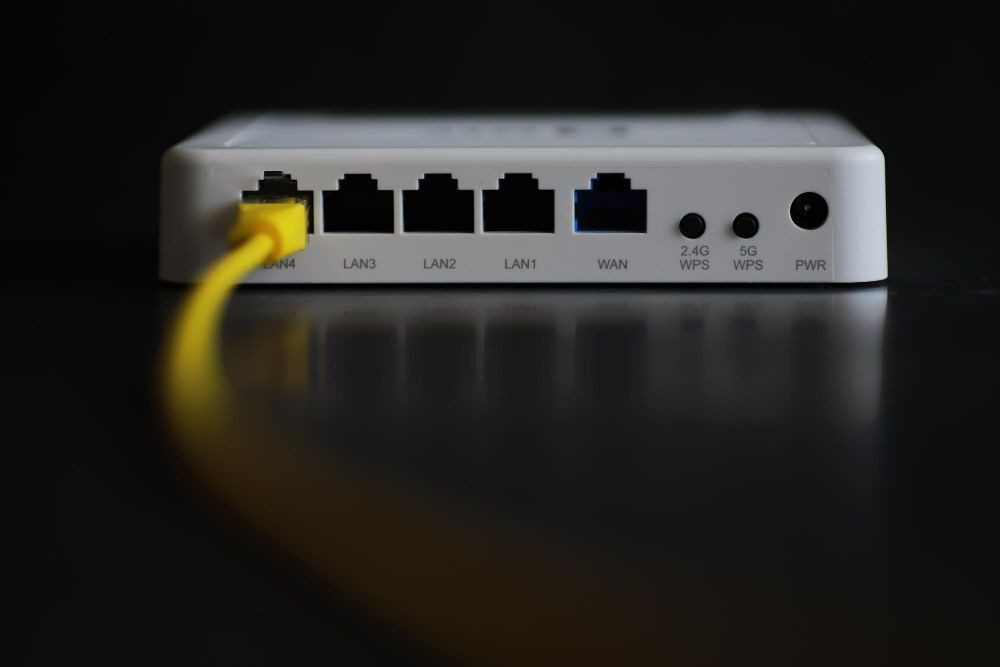
The shift from analog CCTV systems to IP-based surveillance has changed how security networks are designed and used. IP cameras now rely on network connections for both video and power, which has increased the demand for Power over Ethernet (PoE) switches. These switches are essential for modern surveillance systems because they provide power and data through a single cable, making installation simpler and cleaner.
PoE switches are especially useful for organizations, commercial buildings, hospitals, schools, industries, and public facilities. They reduce the need for extra wiring, simplify network management, and allow cameras to be monitored and controlled from one central point.
Another reason PoE switches are in demand is their scalability. Adding new cameras is easier because no extra power setup is needed, which saves time and cost. At First Aid Nepal, we use PoE-based IP CCTV systems to provide reliable performance, easy installation, and flexible, long-term security solutions for all types of projects.

IP surveillance is a type of video monitoring system that uses Internet Protocol (IP) networks to send video data. Unlike traditional analog CCTV systems, which send video through coaxial cables, IP cameras capture digital video and transmit it over an Ethernet network. This network can connect to Network Video Recorders (NVRs), servers, or cloud storage systems, allowing video to be stored, managed, and accessed more efficiently. Advantages of IP CCTV Systems:

Power over Ethernet (PoE) is a technology that allows both electrical power and data to be transmitted over a single Ethernet cable. Traditionally, IP cameras or other network devices needed a separate power source, which meant installing additional power outlets or adapters near each device. PoE eliminates this need, allowing devices to receive both data and power through the same cable that connects them to the network. This simplifies installation, reduces wiring costs, and keeps the setup cleaner and more organized.
PoE is especially important for IP CCTV Camera systems, as many cameras are installed in locations where running separate power lines is difficult or expensive. By using PoE, cameras can be installed on ceilings, walls, or outdoors without worrying about nearby electrical points. It also allows for centralized control of power, so devices can be turned off, restarted, or managed remotely through the network. There are different PoE standards used in IP surveillance:
IP CCTV systems are becoming more common in homes, offices, hospitals, and industries. As these systems grow, the need for reliable, easy-to-install network devices has increased. PoE switches are now becoming more important for surveillance systems because they provide both power and data to cameras while simplifying installation and management.
PoE switches deliver both power and data over a single Ethernet cable. This removes the need for separate power wiring or outlets, reduces installation time, cuts costs, and keeps large surveillance setups organized and easier to manage.
PoE switches allow all cameras to be controlled from one central point. Administrators can check connections, turn cameras on or off remotely, and restart devices when needed. Managed switches also offer traffic monitoring and bandwidth control to keep video streams stable and reliable.
IP CCTV systems often expand over time. PoE switches make it simple to add new cameras without extra power lines. As long as the switch has free ports and enough power capacity, additional cameras can be connected quickly, allowing the system to grow easily.
PoE switches provide stable power to cameras, ensuring consistent performance. When connected to a UPS, cameras can keep working during power outages. Managed switches also separate camera traffic from other network data, protecting the system from unauthorized access and improving overall security.
Most modern IP cameras are designed for PoE operation. Automatic power detection and overload protection ensure cameras work safely. This high compatibility makes PoE switches the preferred choice for IP CCTV systems, simplifying installation and long-term maintenance.
The growth of IP CCTV systems is driving strong demand for PoE switches. These trends show that PoE switches are no longer optional, they are now a key part of modern IP surveillance networks. Here are some key trends:
Global revenue from IP cameras was about $15.2 billion in 2024 and is expected to reach $31.1 billion by 2030, growing around 13.4% per year. Much of this growth comes from smart cameras with AI and analytics, which need reliable PoE power and network bandwidth.
The PoE solutions sector, including switches, injectors, and other infrastructure, is also expanding. It is estimated at $2.6 billion in 2024 and projected to reach $12.4 billion by 2034, growing around 17.4% per year. Specifically, the PoE switch market is expected to grow from $4.0 billion in 2022 to $10.6 billion by 2032.
The overall video surveillance industry is growing from $56 billion in 2025 to $88 billion by 2031, with IP-based systems growing faster than analog. As organizations adopt high-resolution cameras and networked monitoring, PoE switches become essential.

Choosing the right PoE switch is essential for a stable and reliable IP CCTV system. A good switch provides both power and data to cameras, supports future expansion, and ensures smooth video streaming. Factors such as the number of ports, PoE standards, network speed, management options, and advanced features. All these factors play a key role in selecting the right switch for your surveillance needs.
Before choosing a PoE switch, it is important to calculate the total power needed for all cameras. For this you should add up the wattage of each camera and make sure it does not exceed the switch’s total PoE power capacity. High-power cameras, such as PTZ cameras, outdoor cameras with infrared, or AI-enabled cameras, need more power than standard cameras. Selecting a switch with extra power capacity ensures the system works reliably and allows for adding new cameras in the future without issues.
Choosing the right PoE switch is important for a reliable and efficient IP CCTV system. The switch must support the number of cameras, provide enough power, and maintain stable network performance. Other features like speed, management options, and advanced tools also help ensure smooth operation and future expansion.
1. Number of Ports
The PoE switch should have enough ports to support all your current cameras and allow for future expansion. Common options include 8, 16, 24, or 48 ports, depending on the size of your surveillance system. Choosing the right number of ports ensures smooth growth without needing a new switch.
2. PoE Standards (PoE, PoE+, PoE++)
It is important to match the switch’s PoE standard with the power requirements of your cameras. Basic cameras work with standard PoE, while high-power devices like PTZ or AI-enabled cameras need PoE+ or PoE++ support. Using the correct standard ensures safe and reliable operation.
3. Network Speed
Gigabit Ethernet (1 Gbps) is the minimum recommended speed for IP surveillance. Higher-resolution cameras and multiple video streams require higher network capacity. Choosing a fast switch prevents slow or interrupted video streams.
4. Managed vs Unmanaged
Managed PoE switches offer better control, monitoring, and security, making them ideal for large or critical installations. Unmanaged switches are simpler and cheaper but have limited features, making them suitable for smaller setups.
5. Advanced Features
Additional features such as VLANs, Quality of Service (QoS), SNMP monitoring, and loop protection improve network stability and performance. These tools help prevent downtime and make network management easier.
Choosing a PoE switch with the right features helps ensure stable performance and long-term reliability for IP CCTV systems. The following features are important for smooth surveillance operation:
1. Remote Management
Remote management allows administrators to monitor and control cameras from a central location. Power can be turned on or off, and cameras can be restarted without visiting the site. This saves time and makes system maintenance easier.
2. Port Mirroring
Port mirroring helps monitor network traffic by copying data from one port to another. It is useful for troubleshooting video issues, checking bandwidth usage, and identifying network problems affecting camera performance.
3. Energy-Efficient Design
Energy-efficient PoE switches reduce power loss and manage electricity use effectively. This supports stable operation over long periods and helps lower overall power consumption, especially in systems with many cameras.
4. Redundant Power Inputs
Redundant power inputs allow the switch to stay operational if one power source fails. This feature is important for critical surveillance systems where continuous camera operation is required.
5. Industrial-Grade Build
Industrial-grade PoE switches are designed for harsh environments such as factories, warehouses, and outdoor locations. They offer higher durability and stable performance in challenging conditions.
Standard PoE switches are suitable for offices, shops, and indoor environments with controlled conditions. Industrial PoE switches are built for tougher environments and provide additional protection. The choice between industrial and standard PoE switches depends on where the IP CCTV system is installed and the environmental conditions it will face. Industrial PoE switches typically offer:
PoE switch technology is evolving alongside modern IP surveillance systems. As cameras become smarter and more power-hungry, PoE switches are adapting to support higher performance, better control, and improved security. These developments will help build more reliable, efficient, and scalable surveillance networks.
Future PoE switches will provide higher power output to support advanced devices such as PTZ cameras, AI-enabled cameras, and edge computing equipment. This will reduce the need for separate power supplies and simplify installation.
PoE switches will work more closely with AI-based monitoring systems. This will help manage video traffic efficiently and improve overall surveillance performance.
Cloud integration will become more common, allowing remote monitoring and control of PoE switches and connected cameras from a single dashboard.
Stronger security measures such as access control, traffic isolation, and network protection will help prevent cyber threats and unauthorized access.
Intelligent power management will supply power only where needed, reducing energy waste and lowering long-term operating costs.
As surveillance networks grow, PoE switches will continue to support stable, secure, and easily expandable IP surveillance systems.
The growing adoption of IP CCTV systems has increased the need for PoE switches in modern surveillance networks. PoE switches simplify installation by delivering power and data through a single cable, reduce wiring complexity, and support stable and scalable system growth. They also help ensure reliable camera performance, easy network management, and long-term flexibility as surveillance needs expand.
At First Aid Nepal, a complete range of PoE switches and IP CCTV solutions is available to support different security requirements. Whether for residential, commercial, or industrial use, First Aid Nepal offers reliable products, expert guidance, and dependable after-sales support. Purchasing PoE switches from First Aid Nepal ensures quality, compatibility with modern IP cameras, and consistent performance for secure and long-lasting surveillance systems.
PoE switches provide both power and data to IP cameras through a single Ethernet cable. This reduces wiring, simplifies installation, and makes network management easier. They also allow adding more cameras without extra power lines, supporting scalability and reliable performance for CCTV systems.
PoE technology is used to deliver power and data to IP cameras using a single network cable. It removes the need for separate power outlets, reduces installation time and cost, and ensures stable operation. PoE is widely used in homes, offices, hospitals, schools, and industrial CCTV systems.
PoE CCTV systems are more convenient and reliable than traditional setups that need separate power. They simplify wiring, allow central control, and can be easily expanded. PoE also supports remote management, energy efficiency, and is compatible with modern IP cameras, making installation and maintenance easier.
PoE provides a stable wired connection that is more reliable than WiFi. It avoids interference, signal drops, and ensures consistent video streaming, especially for high-resolution cameras. While WiFi is flexible, PoE is preferred for professional CCTV setups where stable and uninterrupted connections are needed.
May 27th 2026

June 5th 2026
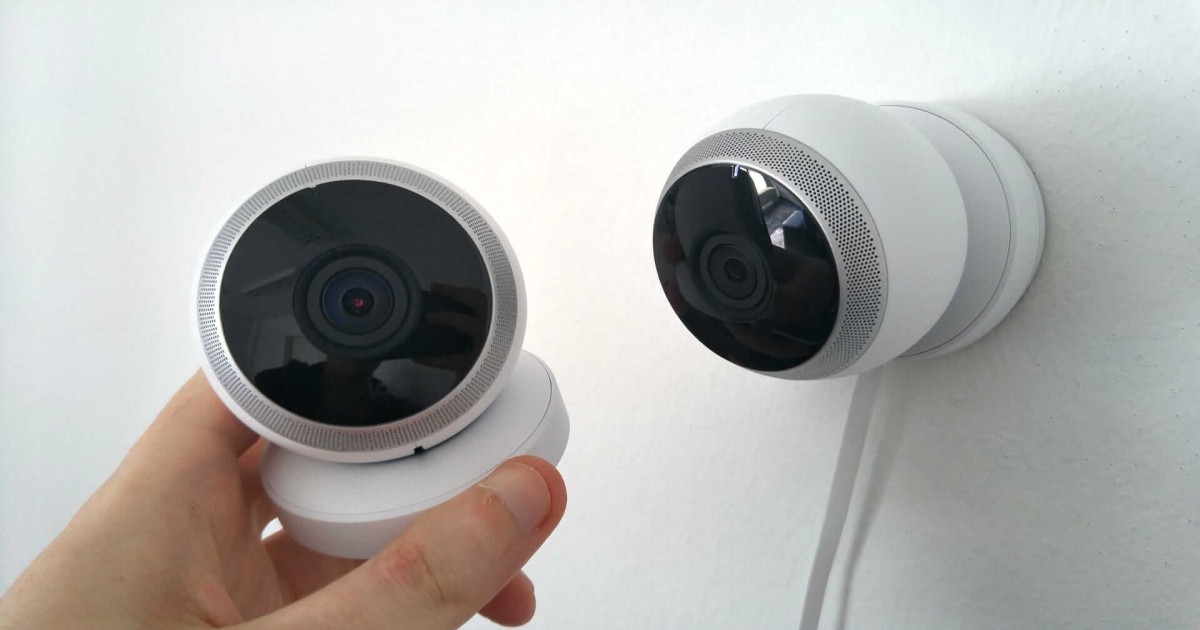


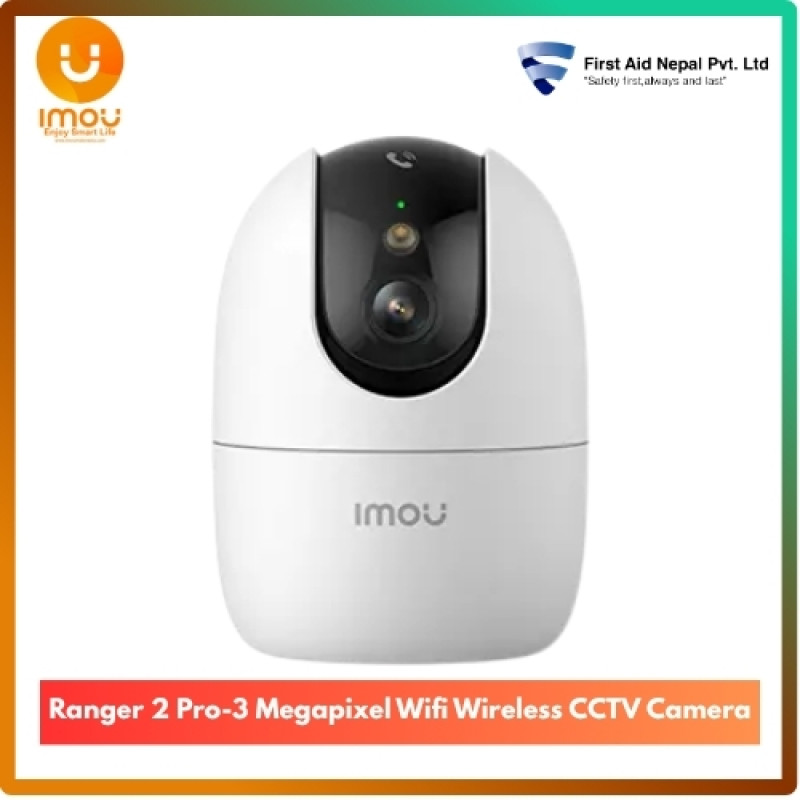


Quick and delivery of innovative fire safety and electronic security solutions for better convenience and additional assurance

Delivery and installation of security products before payment for trust and customer satisfaction

24/7 technical support from security experts to solve all your queries, concerns, and curiosities